

Snow Trekking in Chartreuse, France
12.68 km of alpine beauty from the charming village of Le Sappey-en-Chartreuse to the summit at 1,662m
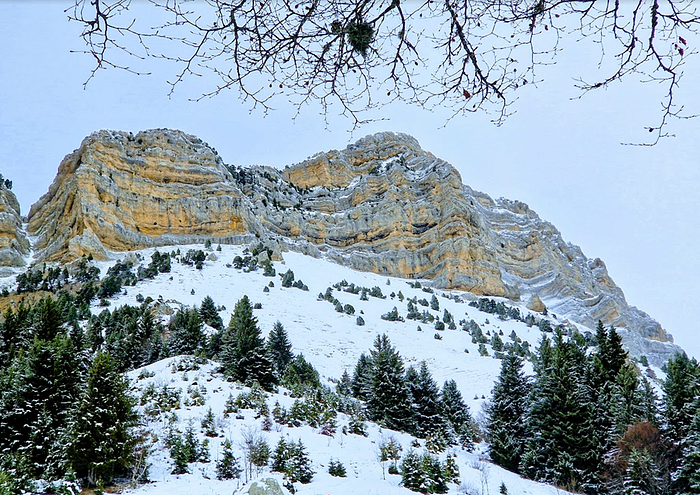
The Winter Mountains
There’s something uniquely compelling about winter trekking that summer hiking can’t replicate. I really like it
The Chartreuse massif, rising in north of Grenoble, offers some of France’s most accessible and rewarding winter trekking, and the ascent to Chamechaude exemplifies everything that makes this range special.
At 2,082 meters, Chamechaude is the highest peak in Chartreuse. The standard route from Le Sappey-en-Chartreuse presents a manageable yet challenging day trek: 12.68 kilometers round trip, 652 meters of elevation gain, and approximately 5 hours of movement through progressively more dramatic alpine terrain. This is winter trekking that demands proper preparation, appropriate gear, and respect for mountain conditions — but rewards those who come prepared with an amazing view.
I completed this trek on a day when temperatures ranged from 8°C at the trailhead to subzero conditions near the summit, with intermittent snow cover above 1,400 meters. The experience reinforced lessons I’ve learned across dozens of winter ascents: the right gear isn’t optional, it’s the difference between an enjoyable adventure and a miserable, potentially dangerous ordeal.
The Route:
Starting Point: Le Sappey-en-Chartreuse (1,022m)
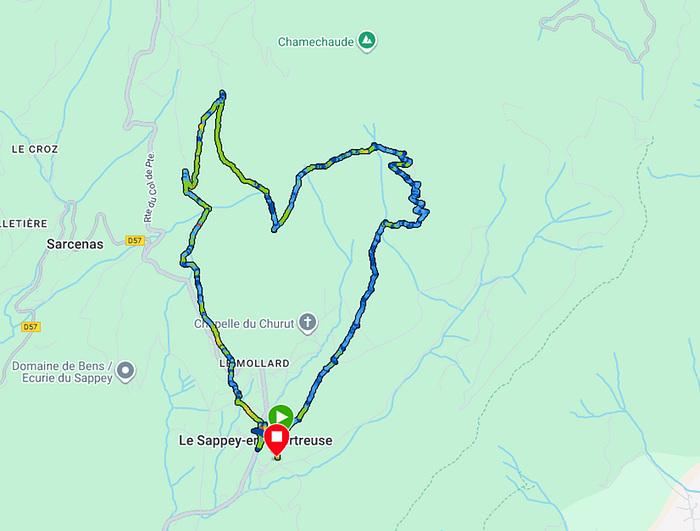
Le Sappey-en-Chartreuse sits in a high valley north of Grenoble. There’s parking near the village center and at the ski station. The trailhead begins at approximately 1,022 meters.
The first kilometer traverses relatively gentle forest terrain. This initial section, while easy, is deceptive — many winter trekkers start too fast here, burning energy they’ll need for the sustained climb ahead. I maintained a conservative pace (around 15 min/km initially), allowing my body to warm up gradually while adjusting to the weight of my winter pack.
Gear note for this section: Even in the forest, waterproof pants proved essential. Snow accumulation on branches meant constant contact with wet vegetation, and without waterproof protection, my legs would have been soaked within 30 minutes. Quality waterproof hiking pants with good breathability are non-negotiable for winter trekking.
In my online store I include the one I used, here
Forest Traverse: 1.022m to 1.400m
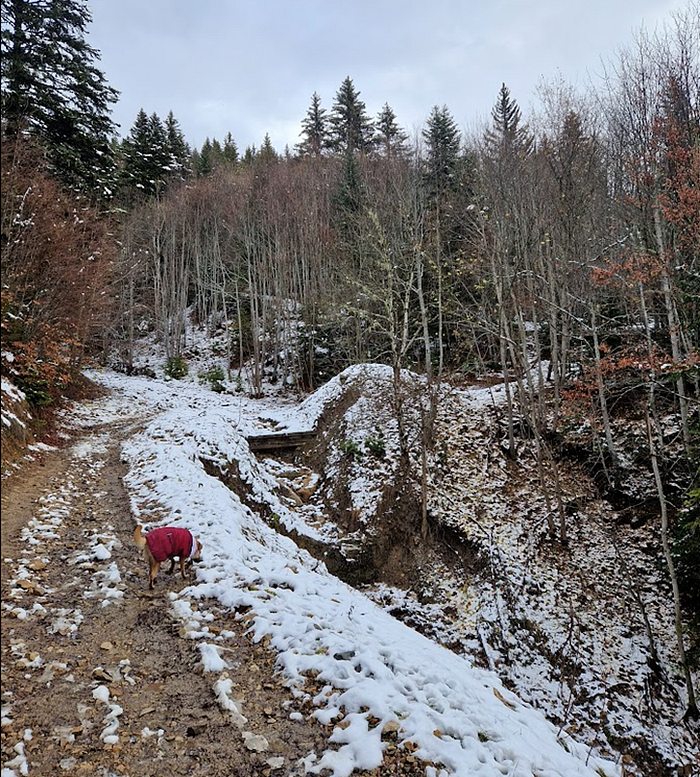
The trail climbs steadily through mixed forest for approximately 4 kilometers, but nothing technically difficult. Snow cover was intermittent — bare ground with leaf litter transitioning to patches of compacted snow, then to consistent coverage above 1,300 meters.
Analyzing the data from Garmin (I enjoy doing post data analyses), my heart rate data shows consistent effort through this section: average 99 bpm, with sustained periods at 120–130 bpm on steeper sections. This is moderate-intensity aerobic work, the kind of effort you should be able to maintain for hours with proper pacing. If you’re consistently hitting 140+ bpm in the forest section, you’re going too fast for a sustained ascent.
Gear spotlight: Thermal breathable hiking socks: This is where I first noticed the value of proper sock selection. Winter trekking creates a difficult challenge for feet: they’re working hard (generating heat and moisture) while simultaneously exposed to cold conditions. Cheap cotton or cotton-blend socks become saturated with sweat, lose insulation value, and create the perfect environment for blisters. By the time I reached 1,400m, my feet remained dry and warm despite nearly 90 minutes of sustained climbing.
In my online store I include the one I always use, here

Alpine Zone: 1.400m to 1.662m (Summit)
Above 1,400 meters, the character of the trek changes dramatically. The forest thins, then disappears entirely. You emerge onto open ridgelines and rocky alpine terrain, genuine mountain environment. Snow cover became consistent (20cm in many sections).
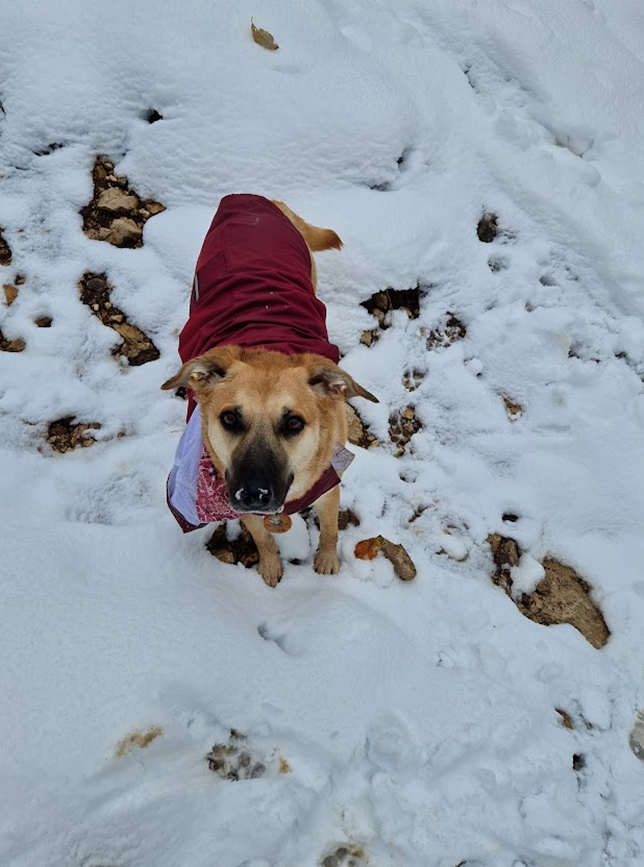
The gaiter question answered:
I’ve been asked many times whether snow gaiters are necessary for day treks. After dozens of winter ascents, my answer is unequivocal: if there’s any chance of snow deeper than boot height, gaiters aren’t optional.
Without gaiters on this trek, every step through deeper snow would have sent snow cascading into my boots. Within an hour, my socks would be wet, my feet cold and bad time. I recommend waterproof snow gaiters that covered from boot top to mid-calf, secured with straps under the boot and around the calf. This is something I found after using the simple ones that goes just below the shoes, that still have snow inside.
The ones I use now are these ones here
The gaiters did more than just keep snow out:
- Protected lower pants from snow and ice buildup
- Provided additional wind resistance around ankles
- Prevented pants from riding up during steep climbing
- Kept the gaiter-to-boot seal waterproof even when post-holing through deep drifts
The Summit Push: Final 200 Meters
The last section to summit (though I topped out at 1,662m on this particular route variation) involved scrambling over snow-covered rocks.
Post analyzing data from Garmin, heart rate data showed interesting patterns here: spikes to 136 bpm during steep scrambling sections, followed by recovery periods at 90–100 bpm as I navigated carefully through tricky terrain. This interval-like pattern is characteristic of technical alpine sections.
The views from the high point were worth every step:
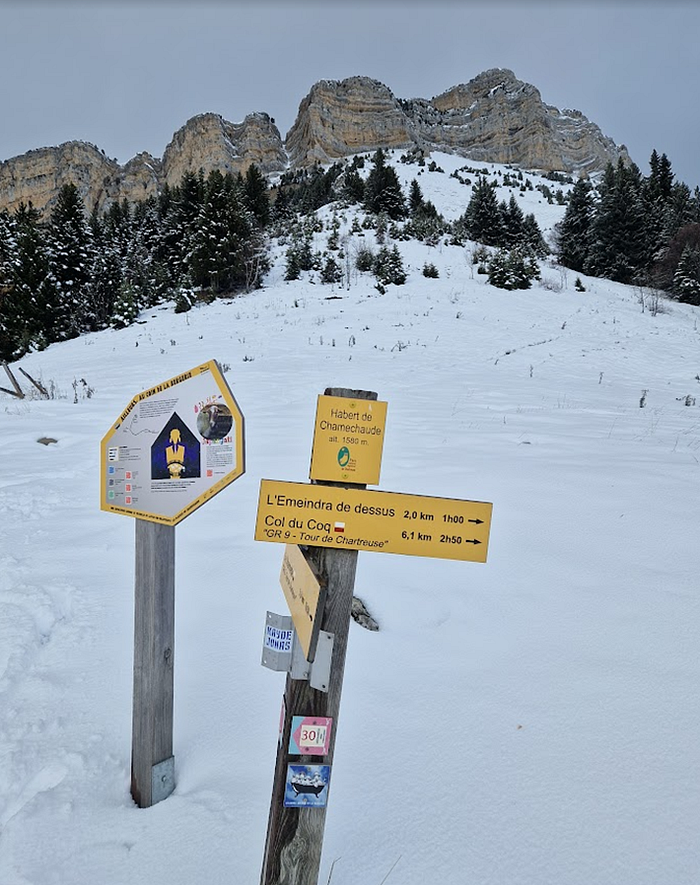
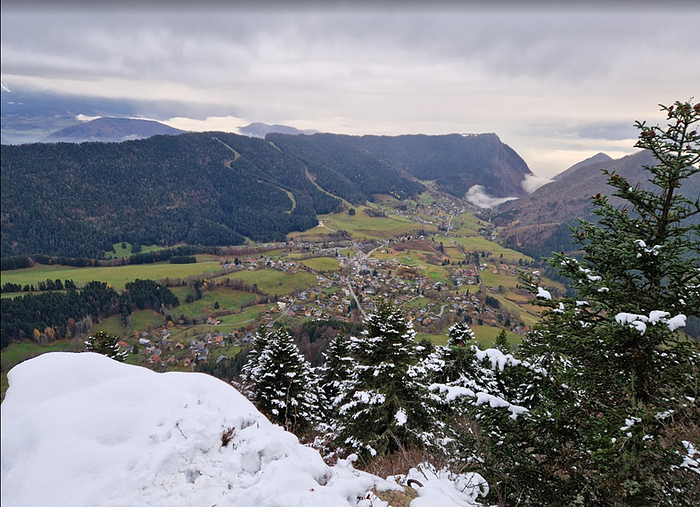
Descent Strategy
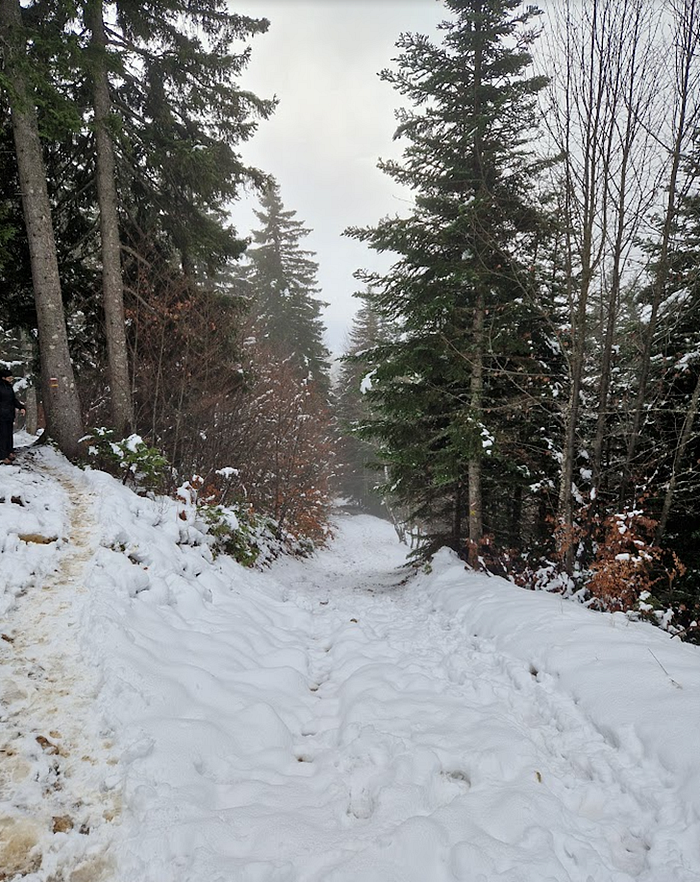
Winter descent considerations:
Descending snow-covered trails presents different challenges than ascent:
- Snow that was firm in cold morning temperatures can become slushy and unstable as the day warms
- Fatigue from ascent affects coordination and reaction time
- The temptation to move fast (gravity helps!) can lead to slips and falls
I maintained deliberate pace on descent (around 12–13 min/km average), prioritizing stability over speed.
Duration and Distance:
- Total time: 5:03:58
- Moving time: 2:38:52
- Distance: 12.68 km
- Average pace: 23:59 /km overall (12:31 /km when moving)
The significant difference between total time and moving time reflects the nature of winter trekking: frequent stops to assess conditions, take photos, and navigate carefully through technical sections.
Elevation and Intensity:
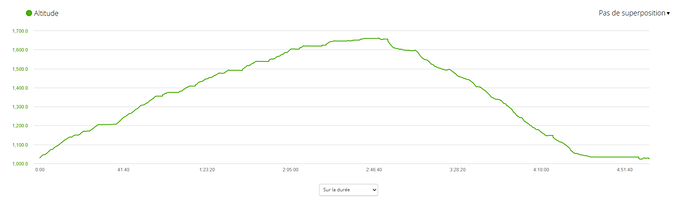
- Elevation gain: 652m
- Maximum altitude: 1,662m
- Minimum altitude: 1,022m
Cardiovascular effort:
- Average heart rate: 99 bpm
- Maximum heart rate: 136 bpm
- Time in moderate intensity zone: 133 minutes
Energy expenditure:
- Total calories burned: 1,401
- Active calories: 958
- Nice some calories burn to eat a good Tartiflette plate after (google it, you are not going to regret).
- Estimated sweat loss: 1,906 ml
Cadence and biomechanics:
- Average cadence: 50 steps per minute
- Maximum cadence: 244 spm
The low average cadence reflects the deliberate, careful pace required for snow trekking and technical terrain. The maximum cadence (likely during descent on easier sections) shows the variability of winter mountain terrain.
Essential Gear: What Worked and Why
The Three Non-Negotiable Items
After analyzing this trek and comparing it to dozens of similar winter ascents, three gear categories stand out as absolutely essential:
1. Waterproof Hiking Pants
Not rain pants. Proper medium level of waterproof, but breathable hiking pants, where you can use a second exercice pants below it. The idea is with 2 layers you keep hot, you can still walk normally (not like a robot) and have it dry from the contact of the snow.
Why they matter:
- Snow contact is constant (sitting on rocks, brushing against snow-laden branches, post-holing)
- Wet pants lead to rapid heat loss, especially in wind
- Breathability prevents internal condensation from sweat
- Wind resistance protects against wind chill at altitude
I put one that I personally tested and liked here — Waterproof pants rated to 10,000mm hydrostatic head with good breathability (5,000g/m²/24hr). They remained completely dry externally and internally throughout the trek — no condensation, no saturation, no discomfort.
2. Thermal Breathable Hiking Socks
Feet are the foundation — literally — of trekking. Get the socks wrong, and everything else suffers.
Why quality socks matter:
- Moisture management (wet feet = cold feet = blisters)
- Cushioning at pressure points (heel, ball of foot, toes)
- Avoid 100% cotton socks, they saturated with sweat after 1h treeking.
What to look for:
- Merino wool content (40–70% merino is optimal)
- Height that extends above boot collar (prevents rubbing)
- Cushioning zones at heel and forefoot
- Seamless toe construction (prevents blisters)
The socks I normally use are 60% merino wool, 35% nylon, 5% elastane. The merino provided warmth and moisture wicking. I even use in everyday during winter :)
You can find it here at my store here
3. Snow Leg Waterproof Gaiters
Gaiters are the unsung heroes of winter trekking gear, they’re absolutely essential in snow conditions.
Why gaiters are mandatory:
- Keep snow out of boots (wet socks = misery)
- Protect lower pants from snow and ice buil
You can find it here at my store here.
Chartreuse: One of my favorites
The Chartreuse massif offers an amazing experience in the Alps: genuine mountain experience without extreme technical demands or crowds.
The winter season transforms these mountains into something different, maybe more severe and but at same time different (maybe more beautiful, maybe less beautiful, depends on the day we look 😉) than their summer counterparts, but demands a better preparation and proper equipment.
Planning Your Own Chamechaude Winter Trek
Best season: December through March (snow dependent). Avoid in poor weather or avalanche conditions.
Difficulty: Moderate. Requires good fitness, winter hiking experience, and proper gear.
Time required: 4–6 hours depending on pace and conditions.
👉 Preparing your next treeking in the winter? Put in the comments!
👉Want help with your gears? Let me know :)